Acclimatizing
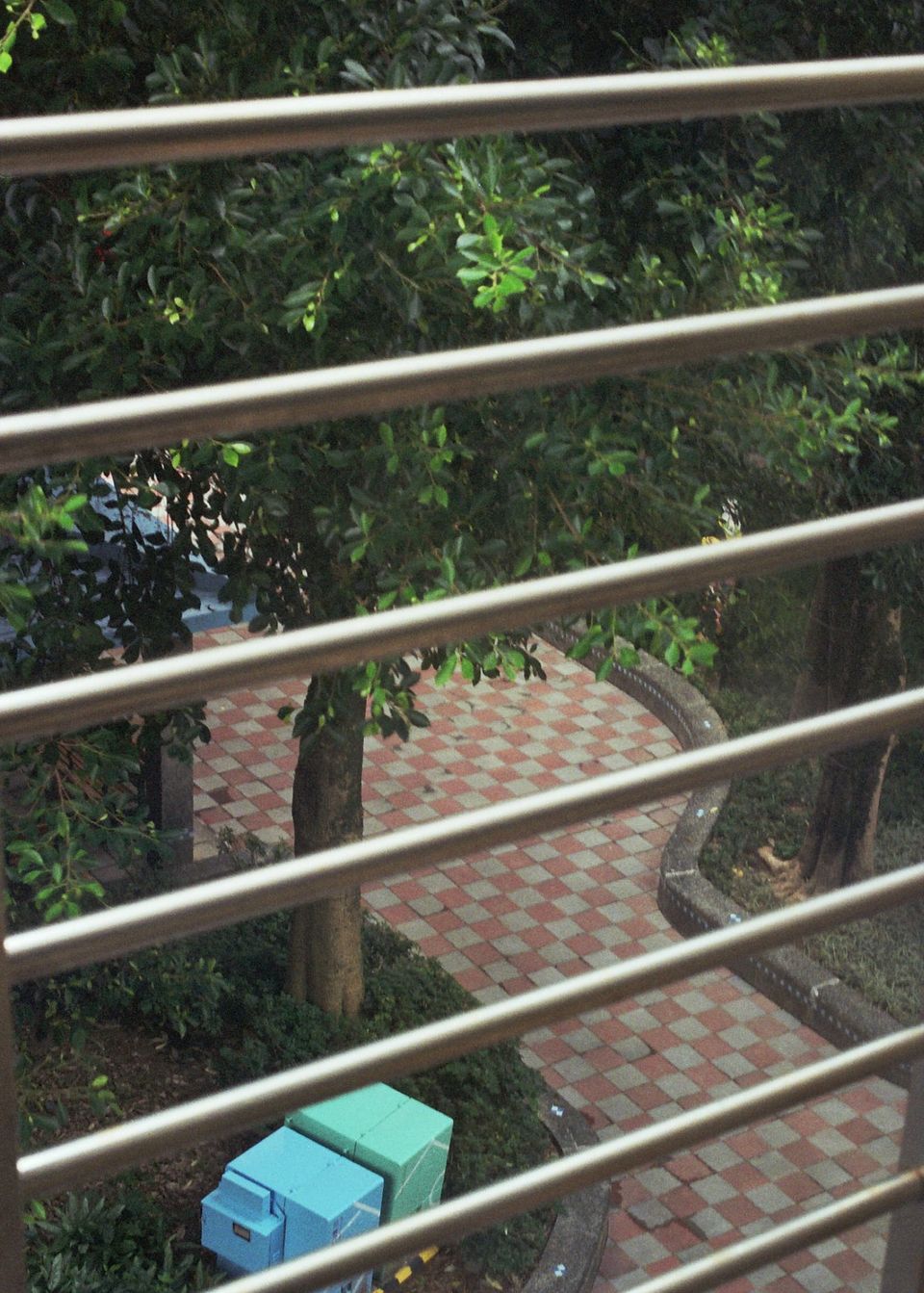
On October 31, 2025, I woke up early and, after my usual morning routine, met my landlord at my Taipei apartment to surrender my keys. There was tape stuck on the wall above the large window facing the park, the window above which my favorite twinkly string lights had hung for two years, affording me many nights of cozy solitude. I looked out the giant window at the big tree one last time, then carried my suitcases one-by-one down the cement stairs, and said goodbye.
I’ve been back in the United States for six months now. After seven years abroad, navigating life here has been difficult at times, but overall, it has been surprisingly easy. When I first arrived in Taiwan, with the hope and determination that I would learn Chinese and make the language my own, I had been told it would be hard, and I believed it, but I didn’t really understand what “hard” meant.
Daily life taught me immediately how hard life overseas can be. Loneliness plagued me from day one until the very end. I learned that there are different kinds of loneliness. There is the loneliness that holds you back from exploring the world, when you lack the support of a safe friend in whom you can confide your fears. Another type of loneliness visited me whenever I tried to use my second language to express a need, and the stranger across from me, perhaps out of their own fear, impatience, or distraction, dismissed my attempt at connection. Then there was the loneliness that, I believed, was uniquely Taiwanese: the habit of moving through the city shoulder-to-shoulder with others and never speaking to them. The palpable silence of the buses and trains. The restaurants packed with people, each hunched over an electronic device on a little stand, slurping noodles or porridge in false isolation as the world went by.
I moved from Iowa to California in 2013, the year I graduated from college. When I returned from Taiwan last year, it had been over a decade since I’d lived in the Midwest. Somehow, I had forgotten that when I leave, the world keeps moving. Such is the blindness of all our isolation – we see only what we experience, and we forget the rest. The world is too big to hold in the mind, and, indeed, too unknown. This place that was once known to me retains a semblance of familiarity, but, as I move through it, I increasingly find the familiarity to be illusory. Old relationships have eroded, and new ones have formed. The pleasures and pains of more famous worlds have found their ways to this small, permeable enclave, where time does not, in fact, stand still. My hometown is both a more and less connected place than I once knew it to be. More connected insofar as I can buy Taiwanese snacks at the grocery store and regularly meet people from all over the world. Less connected, though, in the sense that the social habits of this place have become more like those of the Taiwanese. Social isolation is ever present, an imposing force that my peers and I collectively resent yet feel powerless to change.
Encouragingly though, this sense of waning connection is a shared experience. Social isolation, it turns out, is a global phenomenon, not at all unique to Taiwan. So, we all have something in common to talk about. A shared fear, so to speak. Isolation is the elephant in the room, but it’s a big, fluffy, pink elephant – a topic we can’t ignore and that, for the humility it inspires, could bring us closer together again.